
Every year on November 19, the town of Dangriga transforms. Drums echo off the waterfront, canoes push through the surf, and the streets fill with the colours, songs, and aromas that define one of Belize’s most extraordinary national holidays — Garifuna Settlement Day.
For anyone living in Belize, visiting during this period, or considering it as their future home, this celebration is more than a spectacle. It is a window into the soul of a nation that wears its cultural heritage with genuine pride.
A Brief History of the Garifuna People
The Garifuna story is one of remarkable resilience. Their origins trace back to the 17th century, when African, Arawak, and Carib peoples merged on the island of St. Vincent, forming a distinct culture with its own language, music, and traditions.
Following prolonged conflict with British colonial forces, the Garifuna were forcibly exiled in 1797. After years of displacement across the Caribbean, a group of settlers made landfall on the shores of what is now Belize on November 19, 1802 — a date that would eventually become a national holiday.
Thanks in large part to the tireless advocacy of activist Thomas Vincent Ramos, who first campaigned for formal recognition in 1941, Garifuna Settlement Day was officially declared a public holiday in 1977. It remains one of the most deeply felt celebrations in the Belizean calendar.
Customs and Traditions
Garifuna Settlement Day is a full-sensory experience, rich with living tradition:
- The Yurumein Ceremony: The centrepiece of the day — a dramatic reenactment of the Garifuna’s arrival, with participants in traditional attire paddling canoes ashore. It is simultaneously a history lesson and an act of cultural pride.
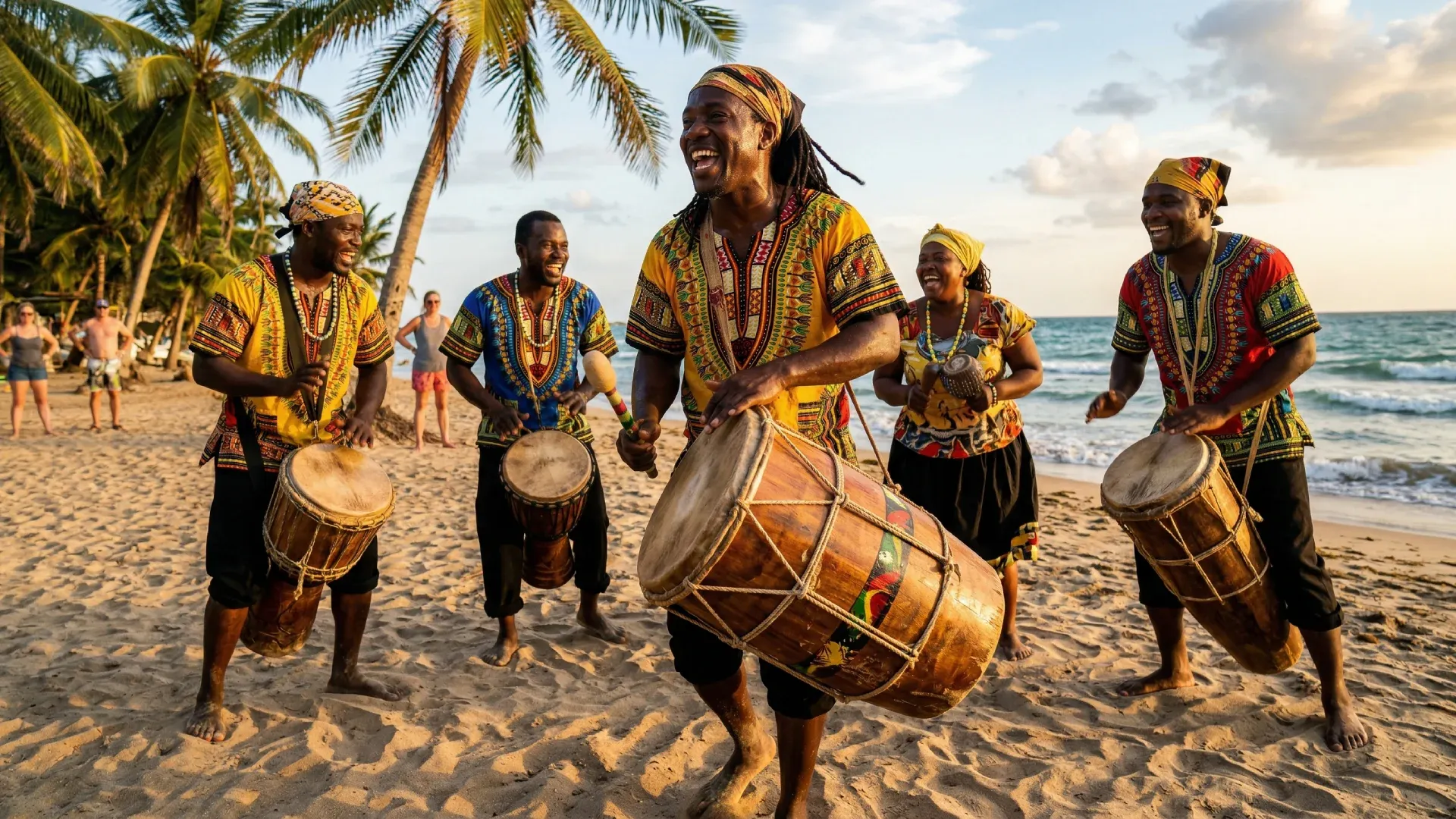
- Garifuna Drumming & the Wanaragua Dance: The unmistakable sound of paranda and punta drumming fills the air. The Wanaragua dance, with its intricate footwork and vibrant costuming, tells stories that have been passed down through generations.
- Traditional Cuisine: No celebration is complete without food. Look for hudut (fish simmered in rich coconut milk served with mashed plantain), cassava bread, and sere — dishes that are as deeply rooted in Garifuna identity as the music itself.
Events in Dangriga
The majority of the celebrations are centred in Dangriga, known throughout Belize as the cultural capital of the Garifuna people.
The day typically begins with a morning procession from the beach to a church service, a moment of gratitude and community that sets the tone for the festivities ahead. From there, the day unfolds into:
- Community workshops designed to pass Garifuna language, crafts, and traditions to younger generations
- Cultural exhibitions hosted in venues across Dangriga and beyond — in fact, the entire month of November becomes a living cultural festival throughout Stann Creek District
- Street celebrations with live drumming, dance performances, and food vendors lining the waterfront
What This Means for Life in Belize
At Hesed Realty, we often tell prospective buyers that the best way to understand Belize is to experience it — not just the landscape, but the people and their traditions. Garifuna Settlement Day is exactly the kind of occasion that reminds us why so many of our clients, once they visit, decide to stay.
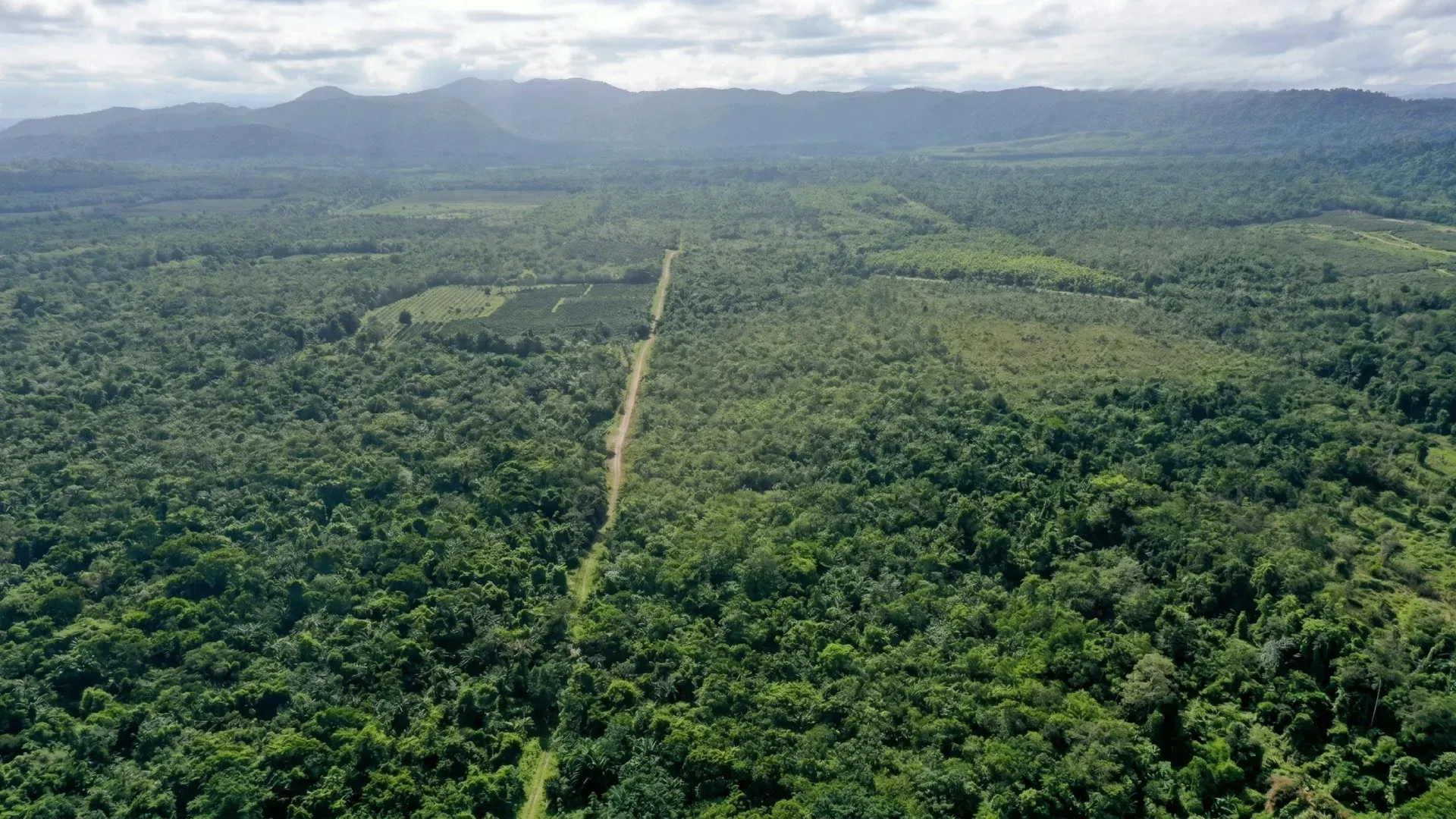
Dangriga and the wider Stann Creek District are increasingly on the radar for buyers seeking an authentic Belizean experience away from the more tourist-heavy coastal destinations. The area combines genuine cultural depth with proximity to the coast, the Maya Mountains, and emerging eco-tourism infrastructure.
If you are curious about what life in this part of Belize looks like beyond the celebration, our team is happy to talk through the real estate landscape in Stann Creek and the surrounding district.